Mile Marker Meals: The Road-Trippers Rewriting the Rules of Highway Food
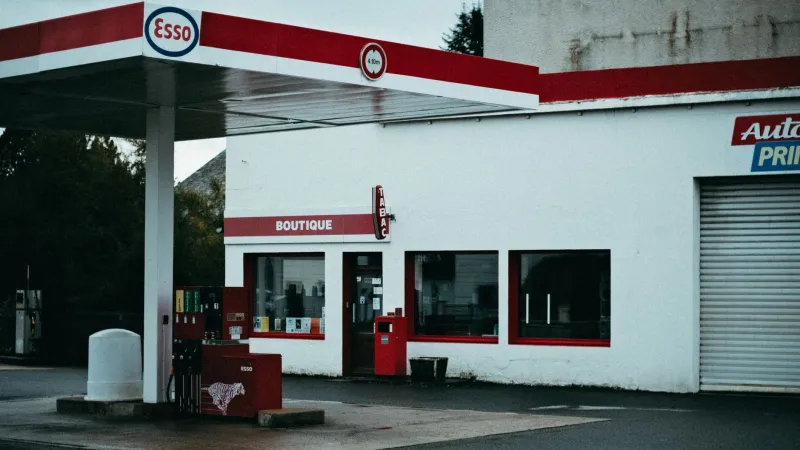
There's a moment every road-tripper knows. It's hour six, you're somewhere in the middle of Kansas, and the only food options glow in neon: a gas station, a gas station, or a gas station.
For most of my life, that moment meant a bag of something orange and a stomachache by the next exit. Then I met people who see those same glowing signs completely differently — as pit stops that genuinely changed how they eat.
The Woman Who Meal-Prepped in the Snack Aisle
Marisol Vega drives from Houston to visit her sister in San Antonio about twice a month. Three years ago, a prediabetes diagnosis had her overhauling everything she ate at home. The road, she figured, would just be a loss.
"Then I actually looked," she told me. "Like, really looked at what was in there."
She found hard-boiled eggs, protein packs, single-serve guacamole, fresh fruit cups, jerky without a paragraph of sugar in the ingredients. She started building her travel meals the way she'd built her grocery list — protein, produce, something satisfying.
"Now my sister jokes that I eat better on I-10 than she does at home," Marisol laughs.
The Quiet Upgrade Happening Behind the Counter
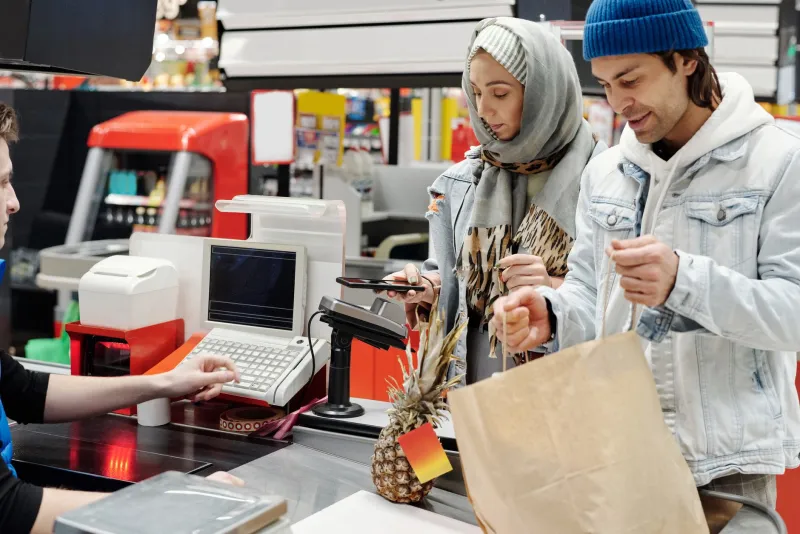
Marisol isn't imagining things. America's convenience stores have been quietly renovating their reputations. Wawa's fresh food program has a cult following that borders on devotion. Sheetz's made-to-order touchscreen lets you build a salad at 2 a.m. Buc-ee's — the Texas-sized temple of road trips — stocks fresh-cut fruit, smoked brisket by the pound, and trail mix in quantities that suggest commitment.
Even your average travel center has evolved. Refrigerated sections now hold Greek yogurt, cheese sticks, and pre-made salads that are actually, you know, edible. The grab-and-go shelf has grown up.
This isn't just a food trend. For people who drive for a living or simply drive a lot — nurses commuting between hospitals, sales reps covering three states, parents shuttling kids to tournaments — the highway pantry may be the most important kitchen they have.
The Truck Driver Who Found His Groceries at the Pilot
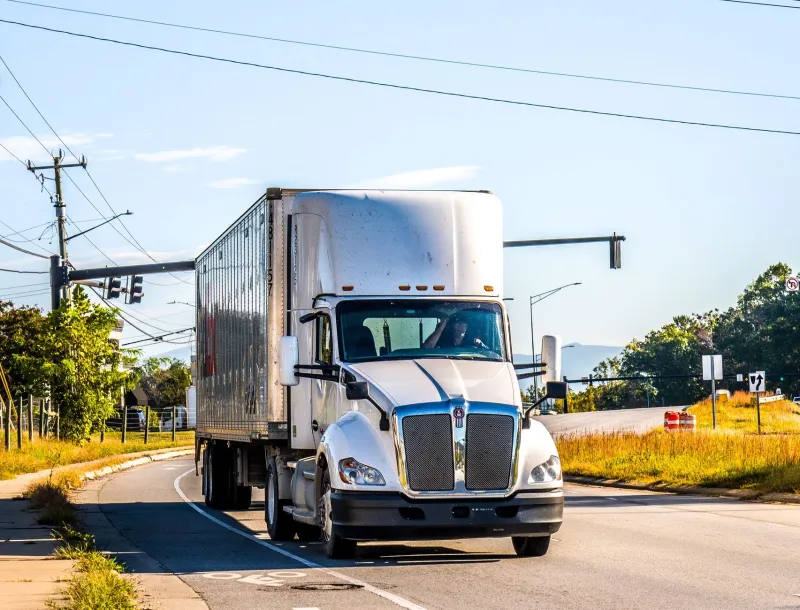
Dale Okafor has driven long-haul routes for nineteen years. For most of them, his diet was "whatever had a window and a drive-thru."
His turning point wasn't dramatic. A doctor mentioned his blood pressure. His daughter asked him to walk her down the aisle someday — "and she was twelve, so I had time, but not infinite time."
He started treating truck stops like small grocery stores. Nuts and dried fruit instead of chips. String cheese and apples in his cab's mini-fridge. Grilled chicken from the hot case when it looked fresh. Water bottles instead of the 44-ounce soda habit he'd nursed for a decade.
"I didn't go keto or vegan or anything with a name," he says. "I just stopped pretending every stop had to be a feast."
Down about forty pounds, Dale now swaps route tips with other drivers — which travel centers have the best fruit, which ones stock real food past midnight.
Your Practical Pit Stop Playbook
Want to eat well on your next long drive? The travelers I talked to share a surprisingly consistent strategy:
Shop the perimeter first. Even in a convenience store, the refrigerated cases along the edges hold the protein, produce, and dairy. Hit those before the chip aisle finds you.
Build a meal, not a snack haul. Protein (eggs, jerky, yogurt), fiber (fruit, nuts, whole-grain crackers), and something you actually enjoy. Three items beats seven random ones.
Read the jerky label. It's the highway's best protein source — until you hit a brand with more sugar than a candy bar. Short ingredient lists win.
Hydrate before you're hungry. Half of highway hunger, Dale insists, is actually dehydration dressed up in a snack craving.
Keep a cab kit or glovebox stash. A few shelf-stable backups — nut butter packets, trail mix, protein bars with real food in them — mean a closed deli case never becomes an excuse.
The Real Transformation Isn't the Food
Here's what struck me most talking to these travelers. None of them lost weight because a gas station got healthier. They changed because they stopped treating the road as an exception to their lives.
Marisol put it best: "I used to think my diet started Monday, or when I got home, or when things slowed down. The highway taught me there's no pause button. Every stop is just a meal."
That's the quiet revolution happening at exit ramps across America. Not a superfood. Not a program. Just thousands of people deciding that mile marker 247 deserves the same care as their own kitchen.
The neon's still glowing. But what's inside looks a lot more like a life.