Toast, a Glass of Milk, and the Rest of Your Life: The Strange Power of the First Meal After
There's a moment, somewhere between the hospital discharge papers and the drive home, when the question arrives quietly: What do I eat now?
Not what should I eat. Not what does the cardiac rehab pamphlet recommend. What do I actually want — the first food of a life that just restarted.
We asked nine people — heart attack survivors, a leukemia patient fresh off her final chemo infusion, a man released after six weeks in a spinal rehab unit — what they ate in the first twenty-four hours after their crisis officially ended. The answers were surprisingly specific, occasionally strange, and, according to the dietitians we spoke with, deeply revealing.
Toast, of All Things
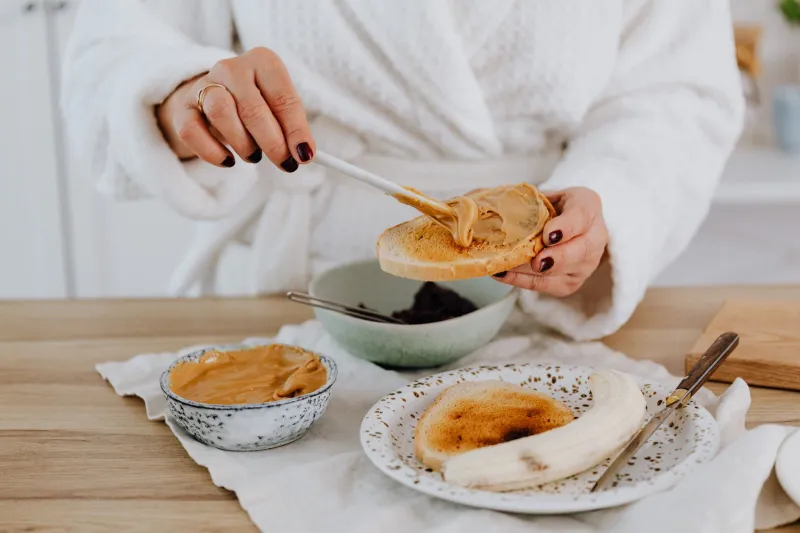
Marcus, 54, a contractor from Dayton, Ohio, had a massive heart attack at 47. When he was cleared to leave cardiac intensive care, he asked for one thing: buttered white toast and a glass of whole milk — the exact breakfast his late mother made him before elementary school.
"My cardiologist about fell over," he laughs now. "Whole milk. After a heart attack. But I told him, that's not food, that's a message. It means somebody loves me and I'm going somewhere."
His dietitian worked with him instead of against him. The toast stayed; over the following months, the milk shifted to oat, then to a heart-healthy breakfast he actually enjoys. But the ritual — the meaning — never changed.
When the Meal Is the Milestone
Dana, 38, finished treatment for Hodgkin lymphoma in Portland, Oregon, on a gray Tuesday in March. Her first stop wasn't a salon or a tattoo parlor. It was a drive-thru window for a strawberry milkshake and fries.
"People act like that's a failure," she says. "But for eight months, food tasted like metal and I ate out of obligation. That milkshake was the first thing I ate because I wanted it. It was proof my body was mine again."
Others in our informal survey went the opposite direction. Robert, 61, of Tucson, came home from cardiac rehab and grilled salmon in his backyard for the first time in a decade — a food his doctor had long recommended but he'd resisted. "I figured if I survived this, I could stop being stubborn about a fish."
What the Experts See
Registered dietitians say these first meals are anything but trivial.
"The first meal after a crisis is rarely about nutrients," says one clinical dietitian who works with cardiac patients in the Midwest. "It's about identity. People are asking: am I someone who eats to live, or lives to eat? Recovery eating is where that question gets answered."
Research on post-crisis eating habits backs this up. Patients who attach positive meaning to food during recovery — rather than fear or punishment — tend to sustain dietary changes longer. Fear-based restriction, the kind that turns every meal into a test, burns out fast.
The dietitians we spoke with recommend a few things for anyone facing that first meal home:
- Let the first meal be emotional, not optimal. Meaning first. Nutrition second. There's time for both.
- Build forward from it, don't repent from it. If the first meal is a milkshake, the next twenty meals don't need to be penance.
- Bring family into the ritual. Recovery eating done together sticks better than recovery eating done alone.
- Watch for the opposite signal. If you feel nothing about food after a crisis — no interest, no pleasure — that's worth mentioning to your care team too.
The Meal That Becomes the Story
The most striking pattern in our nine conversations: nearly everyone could describe their first meal in vivid detail, down to the plate it was served on. Nobody could remember lunch last Tuesday.
That's because these meals aren't really meals. They're ceremonies. A line drawn in butter and salt: before, and after.
Elena, 45, a school nurse from San Antonio who survived a pulmonary embolism, put it best: "My first meal home was my abuela's caldo de pollo, made from memory, in my own kitchen. My hands shook cutting the carrots. But I was cutting carrots in my own kitchen. That's the whole story, right there in a bowl."
Whatever ends up in your bowl when your crisis ends — toast, a milkshake, your grandmother's soup — the dietitians agree on one thing: don't skip it, and don't shame it. It's not just the first meal of your recovery.
It might be the first meal of the rest of your life.