Six Hours From Anywhere: The Truckers and Nurses Who Rebuilt Their Health One Rest Stop at a Time
The Roller That Used to Have His Name on It
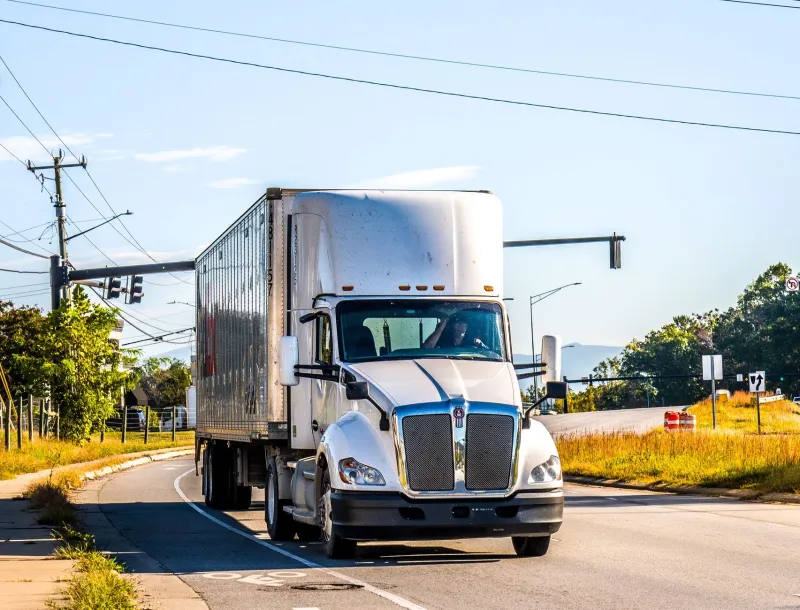
For eleven years, Darryl Meeks ate like the road told him to. He drove long-haul routes between Memphis and Denver, and his meals were whatever presented itself at 2 a.m. in a Flying J: two hot dogs off the roller, a bag of chips, a 24-ounce energy drink to chase the fog out of his windshield. Rinse and repeat, four to five times a week.
"I wasn't overweight growing up," he says. "The road did that. Twenty pounds a year, like clockwork. My knees knew it before my doctor did."
By 2021, his A1C had crept into prediabetic territory and his blood pressure meds had doubled. It wasn't a dramatic moment that changed things — no TV movie epiphany. It was his daughter asking, over a video call, whether he'd be around to meet her future kids. He didn't have a good answer.
What Darryl did next wasn't a diet. It was logistics. And that, it turns out, is the whole story for a growing group of Americans whose kitchens have four wheels and a deadline.
When Your Kitchen Has a 65-MPH Speed Limit
Darryl's situation isn't rare. There are more than 3.5 million truck drivers in the US, plus hundreds of thousands of traveling nurses, rideshare drivers, and sales reps whose "dining room" is a parking lot. The CDC has repeatedly flagged commercial drivers as one of the least healthy occupational groups in the country — more obesity, more diabetes, less access to anything resembling fresh food.
But the interesting shift isn't the problem. It's the workaround.
Darryl bought a two-bag cooler for $30. He keeps it stocked with a block of ice from whatever truck stop he's parked at — a bag costs about two bucks — and he treats it like a refrigerator that happens to travel. Hard-boiled eggs. Baby carrots and single-serve hummus. Turkey wraps he assembles in the cab. Greek yogurt cups. Grapes, which he swears "taste better at altitude."
"The first two weeks, I was white-knuckling it," he admits. "Then my taste buds recalibrated. Now a roller dog smells like a tire fire to me. That's not willpower. That's just what happened after enough real food."
The Nurse Who Meal-Prepped in a Hotel Microwave
Renata Voss, a traveling ICU nurse who's worked assignments in Fargo, Bakersfield, and Mobile, ran into the same math from a different direction. Between twelve-hour shifts and hotel living, her options were hospital cafeteria food, delivery apps, or vending machines.
"I was spending $90 a week on DoorDash and feeling like garbage," she says. "And I'm the person telling patients about sodium and inflammation. The hypocrisy was getting loud."
Her system is now legendary among her travel-nurse group chats: a Sunday grocery run, a folding cooler in the rental car, and a rotation of five no-cook or microwave-only meals. Overnight oats in mason jars. Canned salmon mixed with avocado and lemon. Microwaveable brown rice pouches paired with rotisserie chicken from the grocery deli. Frozen steam-in-bag vegetables that double as cooler packs.
Within four months, she was down 14 pounds, but the number she cares about is different. "My resting heart rate dropped about nine beats. My afternoon brain fog — gone. I chart better. I'm nicer. Ask my coworkers."
The Cooler Rules That Actually Hold Up
You don't have to live in a vehicle to benefit from road logic. Anyone who works long shifts, commutes far, or spends weekends shuttling kids between fields can steal these playbooks. The principles that survived contact with reality:
1. Ice is cheaper than convenience. A $2 bag of ice refreshes a cooler and buys you 24 hours of good choices. Do that math against a $14 fast-food combo.
2. Build meals, not snacks. Darryl's biggest early mistake was grazing on almonds and jerky all day and calling it eating. Protein + fiber + fat, in an actual meal, keeps you full for hours instead of minutes.
3. Master the assembly-only meal. If it requires heat, it requires a plan. Wraps, grain bowls with pre-cooked rice, yogurt parfaits, and canned fish all travel without a kitchen.
4. Hydrate like it's your job. Renata credits half her energy improvement to swapping her third energy drink for a gallon jug with a straw. Boring. Effective.
5. Plan the treat, don't ambush it. Both of them still eat truck stop pie sometimes. The difference is it's a decision now, not a default.
Two Dishes That Live Entirely in a Cup Holder Universe
The Cab Wrap (Darryl's go-to): One large tortilla, a smear of hummus, a handful of rotisserie chicken, pre-washed spinach, shredded carrots from a bag, and a squeeze of mustard. Roll it tight in foil. It survives six hours in a cooler and eats clean with one hand.
The Hotel Bowl (Renata's): One microwaveable rice pouch, one pouch of tuna or salmon, half an avocado, cherry tomatoes, olive oil packet from the gas station coffee counter, salt, pepper, and hot sauce. Ninety seconds in the microwave, and it's a meal with actual dignity.
Sixty Pounds and a New Route
Darryl turned 57 last spring. He's down 60 pounds from his peak, his doctor cut his blood pressure medication in half, and his A1C is back in the normal range — no diabetes drugs, just food and a walking routine he does in truck stop parking lots with a few other drivers who've joined him.
"People think eating well out here is a luxury," he told me as he prepped his cooler for a Denver run. "It's the opposite. The hot dogs and the energy drinks — that's the expensive stuff. They cost me my knees, my sleep, and a decade of feeling old."
He closed the cooler lid and grinned. "This thing right here? Best investment I ever made for eleven bucks a week."
The road hasn't gotten healthier. But the people on it are figuring out that they don't have to eat like it did.