Grandma's Recipe Box Is Having a Moment
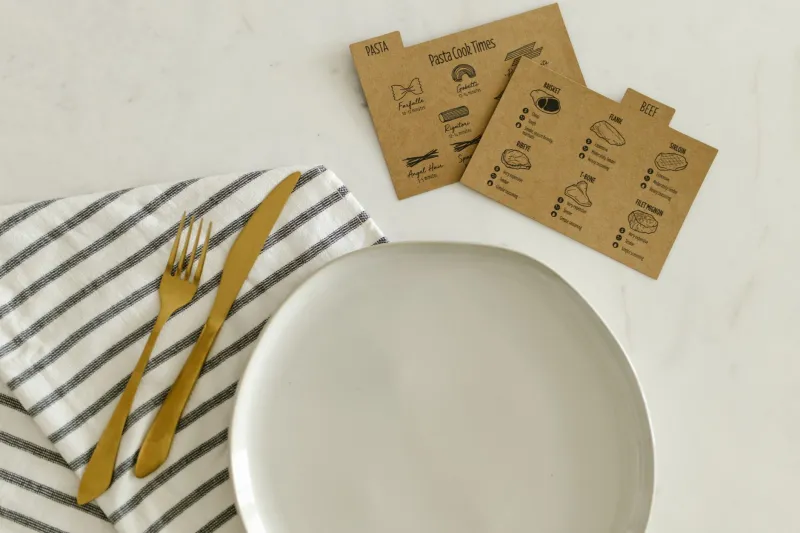
Somewhere between the third sourdough starter and the fourth video call with her grandmother in Tulsa, 29-year-old Priya Raman realized she wasn't just learning to can tomatoes.
"I was asking her questions I'd never asked her in my whole life," she says. "About her mother's kitchen in Chennai. About why she stopped making certain dishes when we moved here. The tomatoes were almost an excuse."
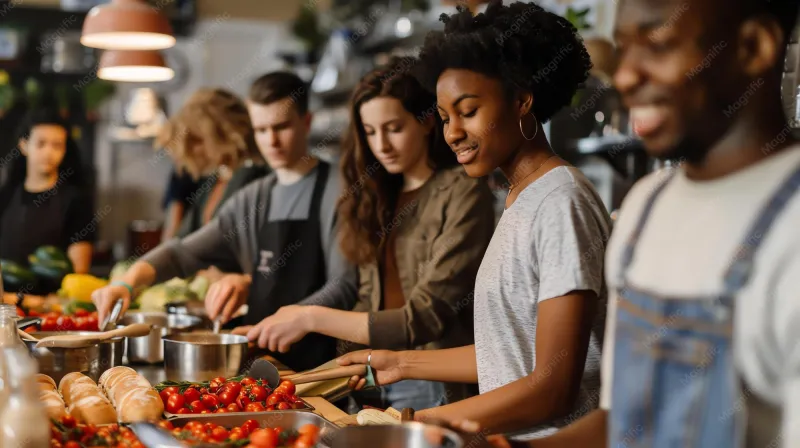
Priya is part of a quiet wave that doesn't have an official name yet, though you can see it everywhere: young Americans tracking down handwritten recipe cards on eBay, posting photos of their grandmother's cast iron skillet, booking fermentation workshops, and calling — actually calling — older relatives to ask how you know when the pickles are ready.
Call it the second-kitchen revival. The skills skipped a generation, and now the grandkids want them back.
The Convenience Gap
Here's how the skip happened. The generation that came of age between roughly 1975 and 2005 — the parents of today's millennials and older Gen Z — lived through the golden age of convenience. Microwave dinners, boxed everything, Hamburger Helper, juice boxes, drive-thrus on every corner. Time was the scarcest resource in the double-income household, and the food industry sold the solution by the pallet.
Something got lost in that trade. Home canning. Bread baking. Bone broth. Fermentation. The whole repertoire of low-tech, high-patience kitchen knowledge that previous generations carried as a matter of course.
Nobody's blaming anyone — those parents were doing their best with the tools and the hours they had. But the skills went dormant. And now their kids, raised on the output of that era, are hitting their thirties and noticing something feels off.
Why Now?
A few currents are converging.
The first is health. Ultra-processed food has been taking a well-deserved public beating in recent years, with research linking heavy consumption to everything from weight gain to poor mood. A lot of young adults looked at their carts and realized that cooking from scratch — the old-fashioned way — is the most reliable filter for the stuff they're trying to avoid.
The second is economics. Grocery prices have given everyone sticker shock. A jar of good fermented pickles costs eight dollars; a head of cabbage costs a dollar forty. Sourdough is flour, water, salt, and time. When you're broke-ish and health-curious, your grandmother's kitchen starts to look like a cheat code.
The third is identity. This one's less tangible but maybe most important. For children of immigrants especially, cooking an ancestral dish from memory — not from a blog post — is a way of claiming a heritage that got sanded down by assimilation and convenience in equal measure.
The Healing Hides in the Instructions
Ask around and you'll hear the same refrain: the food is almost secondary. What people remember is the call.
Jordan Beck, 33, a graphic designer in Portland, spent a year working through his late grandfather's recipe box — German and Midwestern standards, everything from rouladen to rhubarb cake. "Half the cards say things like 'bake until done' or 'add flour until it looks right.' I had to call my aunt constantly just to decode them," he says. "Those phone calls turned into two-hour conversations. I know our family history better than I ever did."
There's real psychology underneath this. Shared cooking is one of the oldest bonding rituals humans have, and intergenerational recipe exchange sits at the intersection of memory, identity, and attachment. When a grandmother teaches a grandchild to fold dumplings, she's not just transferring technique — she's telling the child, implicitly, you belong to this.
For families where those conversations were cut short — by distance, estrangement, or death — the revival can carry a grief edge. People reconstruct a dead relative's cooking from memory and restaurant meals, working backward from taste to feeling. It's grief work disguised as dinner.
How to Start Your Own Revival
If this hits home, the good news is that the barrier to entry is basically a phone call.
- Ask the living archive first. Before you buy a single book, call the oldest cook in your family. Record it if they'll let you. The stories come out sideways while their hands are busy.
- Hunt down the recipe box. Attics, aunts, estate sales, even eBay — handwritten cards from strangers still carry the charm. The vague measurements are a feature; they force you to learn judgment.
- Pick one lost skill, not twelve. Fermenting one jar of sauerkraut teaches you more than watching forty videos about fermentation.
- Cook the vague ones badly. "Bake until done" is an invitation to pay attention, not a failure of the recipe. Your senses are the instruments your grandparents used.
- Pass it forward immediately. Teach a friend. Write the card your descendants will one day find confusing and wonderful.
More Than a Trend
It's tempting to file all this under nostalgia content — the aesthetic of the gingham apron, the rustic Instagram post. But talk to the people doing it and something deeper emerges. They're not recreating the past; they're repairing a broken chain of transmission, one jar of tomatoes at a time.
The convenience era solved real problems. But it also convinced a couple of generations that cooking knowledge was optional — a hobby rather than a birthright. The second-kitchen revival is the sound of young people deciding it wasn't.
Priya put it best, standing in her Oakland kitchen over a bubbling water-bath canner, her grandmother's voice on speakerphone.
"She said, 'I thought nobody wanted to learn this anymore.' And I said, 'I didn't know I was allowed to want to.'"
The tomatoes turned out great, by the way. But that was never really the point.