What Your Mom's Meatloaf Might Be Telling Your Therapist: The Science of Food Memory and Emotional Healing
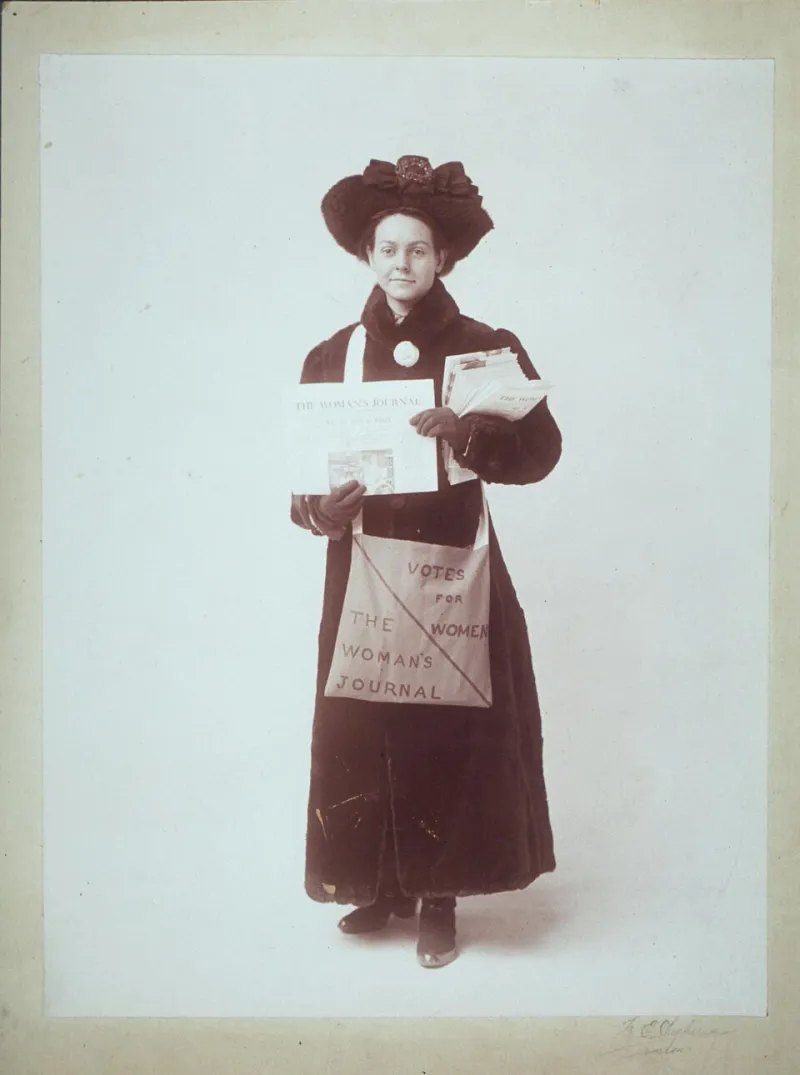
Photo: Schlesinger Library, RIAS, Harvard University, No restrictions, via Wikimedia Commons
Close your eyes for a second. Think about the meal that takes you straight back to being a kid. Maybe it's the smell of Sunday gravy simmering on a stove in a New Jersey apartment. Or the particular crunch of fried chicken at a family reunion in Georgia. Or the silence at a dinner table that felt more like a minefield than a gathering.
Whatever came up — that's not just nostalgia. According to a growing number of mental health professionals, that memory is a doorway.
Across the country, therapists, psychologists, and holistic wellness practitioners are starting to pay closer attention to what their clients ate growing up — and more importantly, how those experiences shaped who they became. The practice doesn't have a single official name yet, but many in the field are calling it narrative food therapy, and the early results are turning heads.
Why Food Memories Hit Different
There's a neurological reason your grandmother's biscuits can make you tear up without warning. The olfactory system — the part of your brain that processes smell and taste — is directly wired to the hippocampus and amygdala, the regions responsible for memory and emotional response. No other sense has that kind of shortcut.
"Food is one of the most emotionally loaded subjects I encounter in therapy," says Dr. Renata Osei, a licensed psychologist based in Atlanta who began incorporating food-based reflection exercises into her sessions about four years ago. "People who've spent years describing their childhoods in abstract terms will suddenly get very specific — and very emotional — the moment I ask them what dinnertime looked like."
That specificity is the point. Traditional talk therapy often works through narrative: clients tell their stories, identify patterns, and gradually reframe them. Narrative food therapy uses meals as an entry point into those same stories, but with a sensory richness that can bypass some of the intellectual defenses people put up.
"It's harder to intellectualize a memory when you can almost taste it," Dr. Osei explains.
The Eating Trauma No One Talks About
For many Americans, the food memories that surface in therapy aren't warm and fuzzy. They're complicated — sometimes painful.
Consider the experience of Marcus T., a 38-year-old teacher from Columbus, Ohio, who began working with a therapist specializing in food-based narrative work after years of struggling with binge eating. "I always knew food was a coping mechanism for me," he says. "But I didn't understand why until my therapist asked me to describe a typical dinner when I was growing up."
What came out surprised him. His parents worked opposite shifts, and most nights he ate alone in front of the TV. Food became associated, at a very young age, with loneliness and self-soothing. "Once I saw that connection clearly, something shifted. I wasn't broken. I was doing exactly what a lonely kid would do. I just never stopped."
Eating trauma — which can range from food insecurity and diet culture pressure to being forced to clean your plate or having your body commented on at the table — is far more widespread than most people realize. And because it's wrapped up in something as ordinary and necessary as eating, it often goes unexamined for decades.
Cultural Food Identity as Healing Ground
Not all food memories are rooted in pain, of course. For many patients, especially first- and second-generation Americans, the food of their heritage carries a profound emotional complexity — pride, grief, belonging, and loss, often all at once.
Dr. Yolanda Reyes, a family therapist in San Antonio who works extensively with Latinx communities, has found that food is one of the most powerful tools she has for helping clients reconnect with cultural identity after experiences of assimilation pressure or displacement.
"When someone describes making tamales with their abuela, they're not just sharing a recipe. They're telling me who they are, where they come from, and often, what they feel like they've lost," she says. "That's rich therapeutic material."
For her clients, reconnecting with ancestral food traditions has sometimes become a form of reclamation — a way of honoring parts of themselves they were taught to minimize or hide.
What a Session Actually Looks Like
So what does this work look like in practice? It varies by practitioner, but common approaches include guided food journaling, timeline exercises that map major life events alongside food memories, and sensory recall prompts designed to surface buried emotional associations.
Some therapists assign "food autobiography" homework — asking clients to write about their earliest food memories, their family's relationship with eating, and the meals they associate with specific emotional states. Others incorporate mindful eating exercises not just as a nutritional tool, but as a way of reconnecting with present-moment experience after years of dissociation around food.
None of this replaces traditional therapeutic modalities. Most practitioners use it as a complement to established approaches like cognitive behavioral therapy or EMDR. But as an entry point — especially for clients who've hit walls in more conventional settings — it can open up unexpected territory.
Try It Yourself: Three Reflection Exercises
You don't need a therapist to start exploring your own food story. These prompts are a gentle starting point:
1. The First Meal You Remember Sit quietly and try to recall the earliest meal you can picture in detail. Where were you? Who was there? How did it feel — not just the taste, but the atmosphere, the emotions in the room? Write it down without editing yourself.
2. The Comfort Food Audit Think about the foods you reach for when you're stressed, sad, or anxious. Now ask: where did I first encounter this food? What was happening in my life at that time? You might find the comfort isn't really about the food at all.
3. The Meal That Changed Something Has there been a meal — or a period of eating — that marked a turning point in your life? A breakup, a move, a loss, a celebration? Describe it in as much sensory detail as you can. What does that memory tell you about who you were then, and who you are now?
The Takeaway
Food has always been more than fuel. It's ritual, memory, identity, and relationship — all on a single plate. The fact that mental health professionals are finally treating it that way feels less like a trend and more like an overdue recognition of something most of us already knew in our bones.
Your food story is part of your whole story. And sometimes, the most transformative thing you can do is sit down and actually read it.