3 A.M. Is the New Dinner Hour: How Night-Shift America Is Quietly Rewriting Mealtime
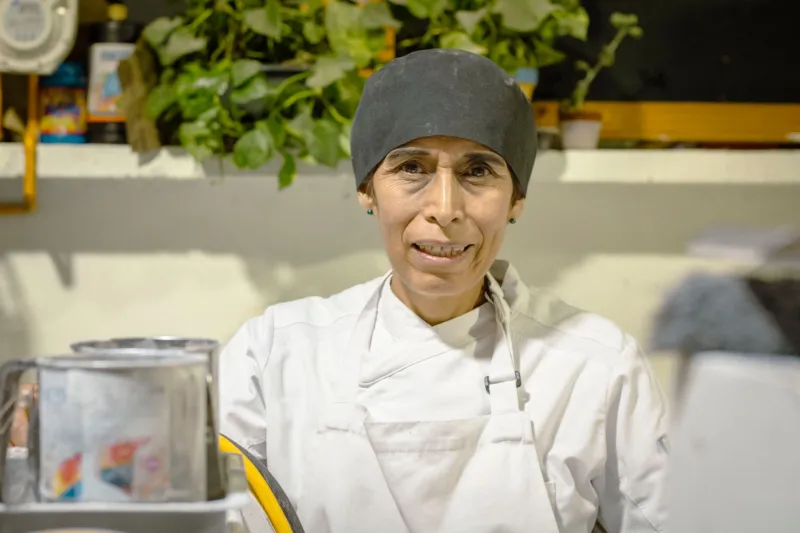
At 2:47 a.m., Marisol Vega sits in the break room of a Level I trauma center in Phoenix, unscrewing the lid from a thermos of pozole she made that 'evening' — which, for her, was actually yesterday afternoon. Around her, the vending machines hum their fluorescent song. She doesn't touch them anymore.
'People ask if I eat breakfast food at night, like I'm supposed to have eggs at midnight,' she laughs. 'No, mija. It's dinner. It's just dark outside.'
Marisol is one of roughly 15 million Americans working nontraditional hours, a shadow workforce that keeps hospitals open, trucks moving, and emergency lines answered while the rest of the nation sleeps. And when it comes to food, the system is stacked against them in ways most nine-to-fivers never have to think about.
The Clock Nobody Catered For
Here's the uncomfortable truth: American food culture runs on a 6 p.m. dinner script. Restaurants close. Meal-kit deliveries arrive when you're punching in, not punching out. Your body clock — circadian rhythm, if we're being technical — expects to wind down as the sun does, not rev up for a twelve-hour shift.
Research on shift workers has consistently linked irregular schedules to higher rates of metabolic issues, digestive trouble, and weight gain. But talk to actual night-shifters and you'll hear something the studies miss: the deeper problem is cultural. There's no word for what they're doing. Is 4 a.m. dinner? Breakfast? A second lunch? The vocabulary itself falls apart.
'I stopped calling it breakfast a long time ago,' says Darnell, a long-haul trucker who's logged twenty years between coastlines. 'I call it my first meal, and I make it count.'
Five Rules from the Night Crew
The workers we spoke to didn't wait for the food industry to catch up. They improvised, swapped tips in break rooms and truck-stop parking lots, and slowly built a playbook. Here's what actually works:
Cook your 'dinner' before your shift starts — even if that's 5 p.m. Marisol batch-cooks soups and stews on her days off and portions them into thermoses. A hot meal at 3 a.m. isn't a luxury; it's a morale strategy.
Pack protein, not just caffeine. Darnell installed a tiny DC-powered cooler in his rig. Hard-boiled eggs, jerky, Greek yogurt cups, apple slices with peanut butter. 'The energy-drink crash at 4 a.m. will wreck you worse than hunger will,' he says.
Watch the 'treat yourself' trap. Night shift is isolating, and gas-station snacks become emotional support. Dispatcher Keisha Tran noticed she was 'celebrating' surviving every shift with something sweet. Her fix: she keeps one genuinely good thing in her bag — dark chocolate, good granola bar — so the treat is intentional, not a 2 a.m. default.
Give your body a shutdown meal. Several workers described a small, deliberately boring meal after shift — oatmeal, toast, a banana — as a signal to their bodies that the 'day' is over. 'It's like tucking yourself in from the inside,' Keisha says.
Eat with someone when you can. The loneliest part of night work isn't the darkness — it's eating alone at hours when no one else is awake. Some hospital crews do potluck 'midnight Thanksgiving' once a month. Everyone brings a dish. The break room table gets crowded. It matters.
What the Rest of Us Can Steal
Here's the twist: the strategies night-shift workers invented out of necessity might be the most honest food advice in America.
They cook ahead because they have to. They eat mindfully because vending-machine regret taught them to. They treat meals as anchors in a schedule with no natural landmarks. Meanwhile, the rest of us skip lunch for meetings and call dinner whatever we eat over the sink.
Marisol puts it plainly: 'People on day schedule think food is background. We know it's the structure. When your whole life is upside down, the meal is the thing that tells you who you are.'
Maybe that's the real story. The 6 p.m. dinner was never sacred — it was just convenient for people whose schedules matched the sun. The night crew figured out something the rest of the country is slowly learning: the table matters more than the hour. Whether yours is set at noon, six, or 3 a.m. under fluorescent lights, what transforms a meal into dinner isn't the clock.
It's the intention you bring to it — and, if you're lucky, someone to share the thermos with.