The Tomato That Changed Everything: Inside the Quiet Rise of Resilience Cooking
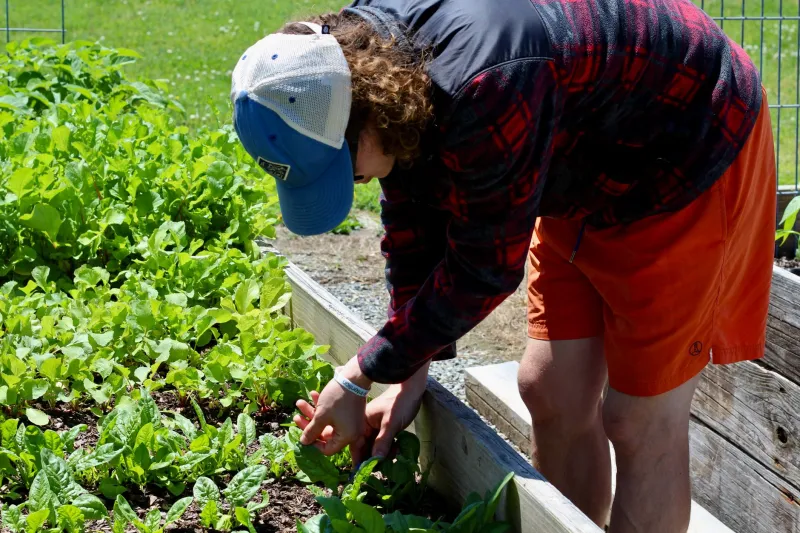
Marisol Vega used to plan her weekly menu around whatever looked good at the Tampa Walmart. Then came the back-to-back hurricane seasons, the empty produce shelves, the citrus greening disease wiping out Florida groves. Now her dinner starts on a 4x8 raised bed in her side yard, and she swears the change saved her sanity.
"I couldn't control the weather," she laughs, wiping dirt off her hands. "But I could control what was growing ten feet from my kitchen door."
Marisol isn't alone. She's part of a shift that doesn't show up in diet books or meal-plan apps — a quiet movement some are calling resilience cooking. It's less about what you're cutting out and more about what you're leaning into: seasonal eating, local sourcing, backyard growing, and a mindset that treats the kitchen as a place of agency instead of anxiety.
When the News Reaches Your Grocery Cart
Talk to enough home cooks and a pattern emerges. Climate change stopped being an abstraction somewhere between the wildfire smoke in the Midwest and the shrimp shortage on the Gulf Coast. For many Americans, the worry landed somewhere specific: the plate.
A 2024 survey from the Yale Program on Climate Change Communication found that a growing share of Americans report food-related climate concerns affecting their purchasing decisions — buying less meat, seeking out local farms, or preserving more at home. But numbers don't capture what this actually feels like at 5 p.m. on a Tuesday.
For Dana Whitfield, a middle school teacher outside Austin, it felt like dread every time she opened a grocery app. "Every drought headline, every flooded field — I started feeling guilty about asparagus in January," she says. "That's not a healthy way to cook. That's not a healthy way to live."
Dana's turning point wasn't a documentary. It was a $12 packet of okra seeds.
The Backyard as Antidote
Dana's first garden was a disaster — she'll tell you that freely. Blister beetles ate the okra. The tomatoes split in a heat wave. But something unexpected happened in the process: the dread quieted.
"Gardening gave my climate anxiety a job," she explains. "Instead of doomscrolling about the Texas grid failing during a heat dome, I was figuring out shade cloth. It's the same worry, but now it has a to-do list attached."
Psychologists have a name for this. Research on eco-anxiety consistently points to agency — the felt sense that you can do something — as one of the strongest buffers against climate-related despair. And few daily activities offer the hands-on agency of growing and cooking food. You can't personally cool the planet. You can put dinner on the table from ingredients you chose with intention.
Marisol describes it as "trading helplessness for harvest." Her garden yields year-round in Florida's climate: collards in winter, black-eyed peas and peppers in summer, a papaya tree she babied through two storms. What she can't grow, she buys from a community-supported agriculture box out of Homestead. Her grocery cart, once full of shrink-wrapped everything, now looks almost bare by comparison.
"I cook simpler now," she says. "Beans, rice, whatever's ripe. And honestly? It's the best I've ever eaten."
What Resilience Cooking Actually Looks Like
Strip away the Instagram versions — the perfect raised beds, the mason jars of rainbow chard — and resilience cooking is refreshingly unglamorous. It tends to follow a few common threads:
- Eating the season you're in. Not as a rule, but as a rhythm. Peaches in July, squash in October, citrus in January — and letting go of the January peach without grief.
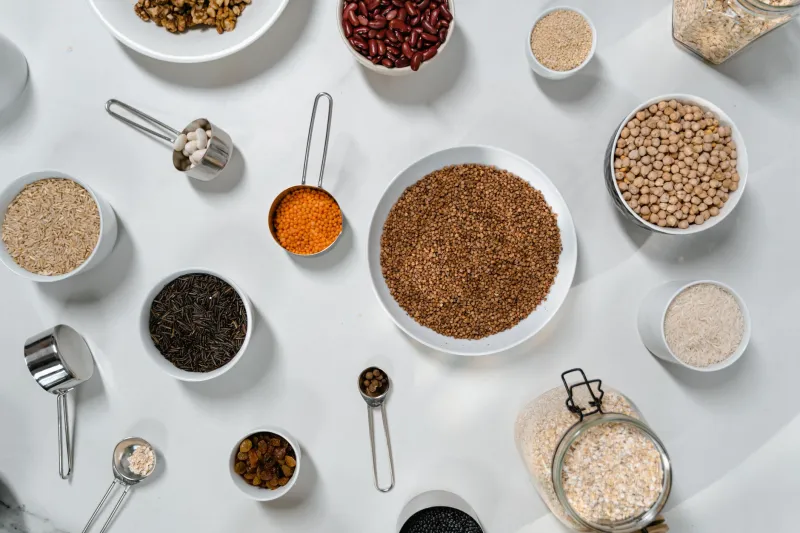
- Building a shelf of backups. Dry beans, home-canned tomatoes, frozen peppers. Not doomsday prepping, just a hedge against the next supply hiccup.
- Cooking one new thing from scratch. Tortillas. Stock. Bread. Skills that shrink the distance between you and your food.
- Knowing one grower by name. A farmers market regular, a CSA farmer, the neighbor with too many zucchini.
Notice what's missing: guilt. The cooks who seem to thrive with this approach all say the same thing — the moment it becomes another form of perfectionism, it stops working.
"I still buy bananas," Dana says. "I live in Texas. I'm not growing bananas. Resilience isn't purity."
The Mental Health Nobody Planned
Here's the twist none of these cooks saw coming: the climate-friendly kitchen made them feel better in ways that had nothing to do with carbon footprints.
Marisol says her family eats together more, partly because garden dinners feel like events. Dana noticed her Sunday-afternoon anxiety — the kind that used to creep in before the school week — dissolve into seed catalog browsing and chopping. Both describe a deeper change: dinner stopped being a decision made under fluorescent lights and started being a relationship.
Dr. Ellen Marsh, a clinical psychologist in Portland who works with clients on climate distress, isn't surprised. "Anxiety hates vagueness," she explains. "Climate change is enormous and abstract. A pot of beans you cooked from a bag you bought from a person you know is small and concrete. That concreteness is regulating. It tells your nervous system: things can be made, tended, repaired."
In other words, the transformation isn't really about the tomatoes. It's about what tending the tomatoes does to the person holding the hose.
Start Where You Are
If your climate worry has been leaking into your kitchen, nobody's suggesting you tear up the lawn this weekend. The cooks profiled here all started embarrassingly small:
- One pot of dried beans, cooked from scratch, just to feel the difference.
- One farmers market visit per month — talk to one vendor.
- One windowsill herb if you have no yard at all.
- One freezer batch of whatever's cheap and in season right now.
The point, Marisol insists, isn't to save the world with your supper. It's to stop feeling like dinner is something happening to you.
"The weather's going to do what it does," she says, nudging a wayward squash vine back into its bed. "But tonight, I know exactly what we're eating, and I know where it came from. Some nights, that's the whole ballgame."
That's the quiet promise of resilience cooking: not control, but participation. Not a perfect plate, but a plate that's yours — grown, chosen, and cooked with hands that decided, somewhere along the way, to do something instead of just worrying.